What living in Condesa is like
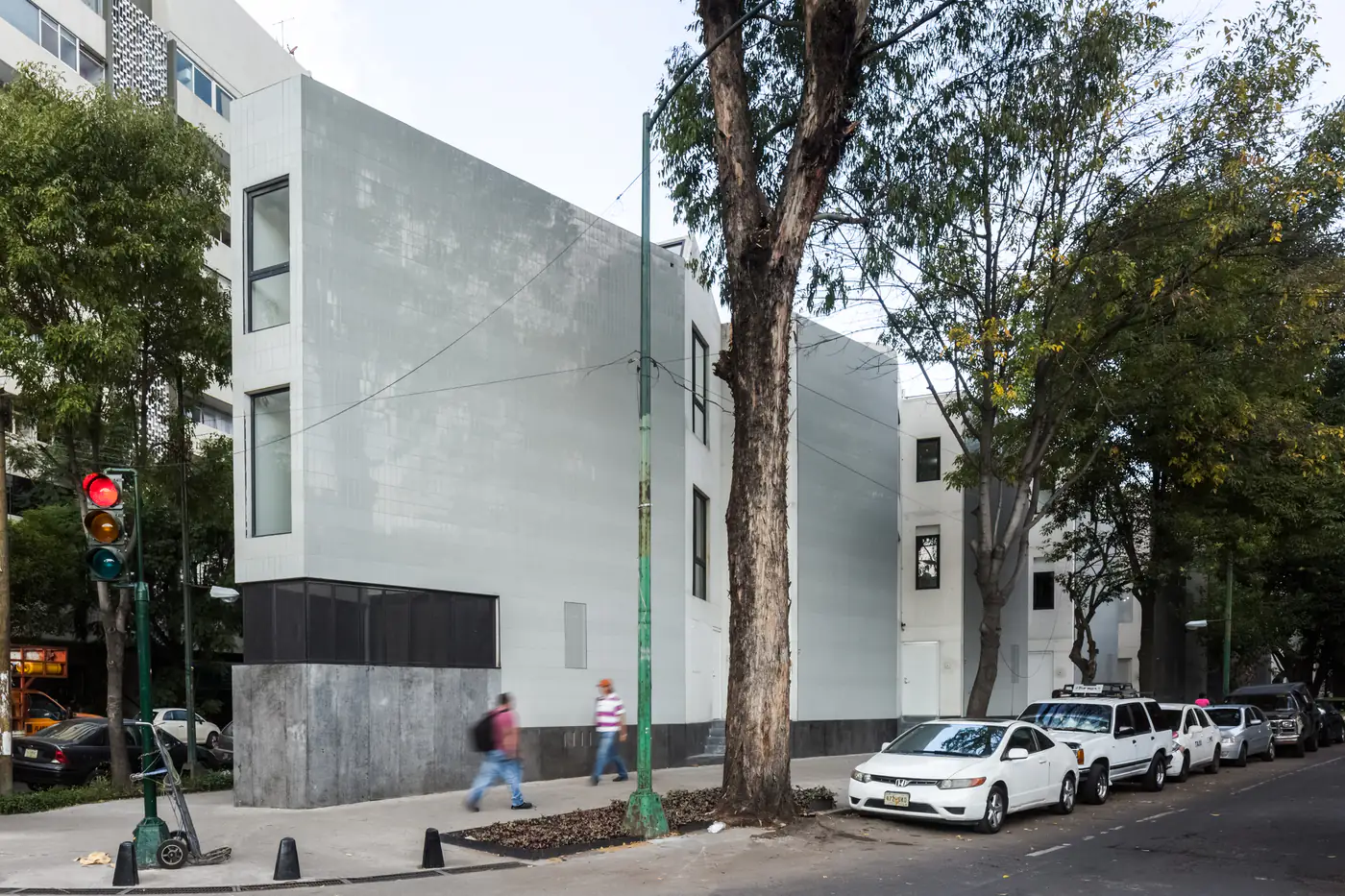
You can walk the whole neighborhood in twenty minutes, and it changes completely depending on which side of Parque México you live on.
Condesa was built on the old racetrack and the outline is still there: Avenida Ámsterdam draws an oval around Parque México that partly echoes the track. That layout is what makes it walk so well, and it explains almost everything good about living here.
This guide is for anyone thinking of moving in: what day-to-day life is like, which streets to avoid if you go to bed early, how you get around without a car, and the downsides nobody mentions during the viewing.
Condesa at a glance
The basics, before the detail:
| Item | Detail |
|---|---|
| Borough (alcaldía) | Cuauhtémoc |
| Colonias that make it up | Condesa, Hipódromo and Hipódromo Condesa |
| Parks | Parque México, Parque España and the Ámsterdam median |
| Nearby metro | Chapultepec, Juanacatlán and Sevilla (Line 1); Patriotismo and Chilpancingo (Line 9) |
| Metrobús | Line 1 on Insurgentes: Álvaro Obregón, Sonora, Campeche and Chilpancingo |
| 2-bedroom rent | Around $38,000 MXN a month |
| Sale price per m² | $71,300 MXN on average |
From racetrack to Parque México
The Hipódromo de la Condesa racetrack opened in October 1910, shortly before the Mexican Revolution broke out, and saw little use. It closed in 1924, and on its grounds architect José Luis Cuevas laid out Colonia Hipódromo along garden-city lines: curving streets, tree-lined medians and a large park at the center.
That park is Parque México, inaugurated in 1927. Its official name is Parque General San Martín, after the Argentine liberator, though nobody calls it that. Ámsterdam circles the park in a larger oval and only partly follows the old track; the idea that it traces it exactly is a myth. Parque España is older: it opened in 1921, during the celebrations for the centennial of Mexico's independence.
What remains is a neighborhood designed for walking before urban planners had a word for it. That is why the buildings face the street, the medians give shade and almost everything is under fifteen minutes on foot.
It is not one neighborhood
What everyone calls Condesa is three colonias that feel different. Picking the right half matters as much as picking the apartment.
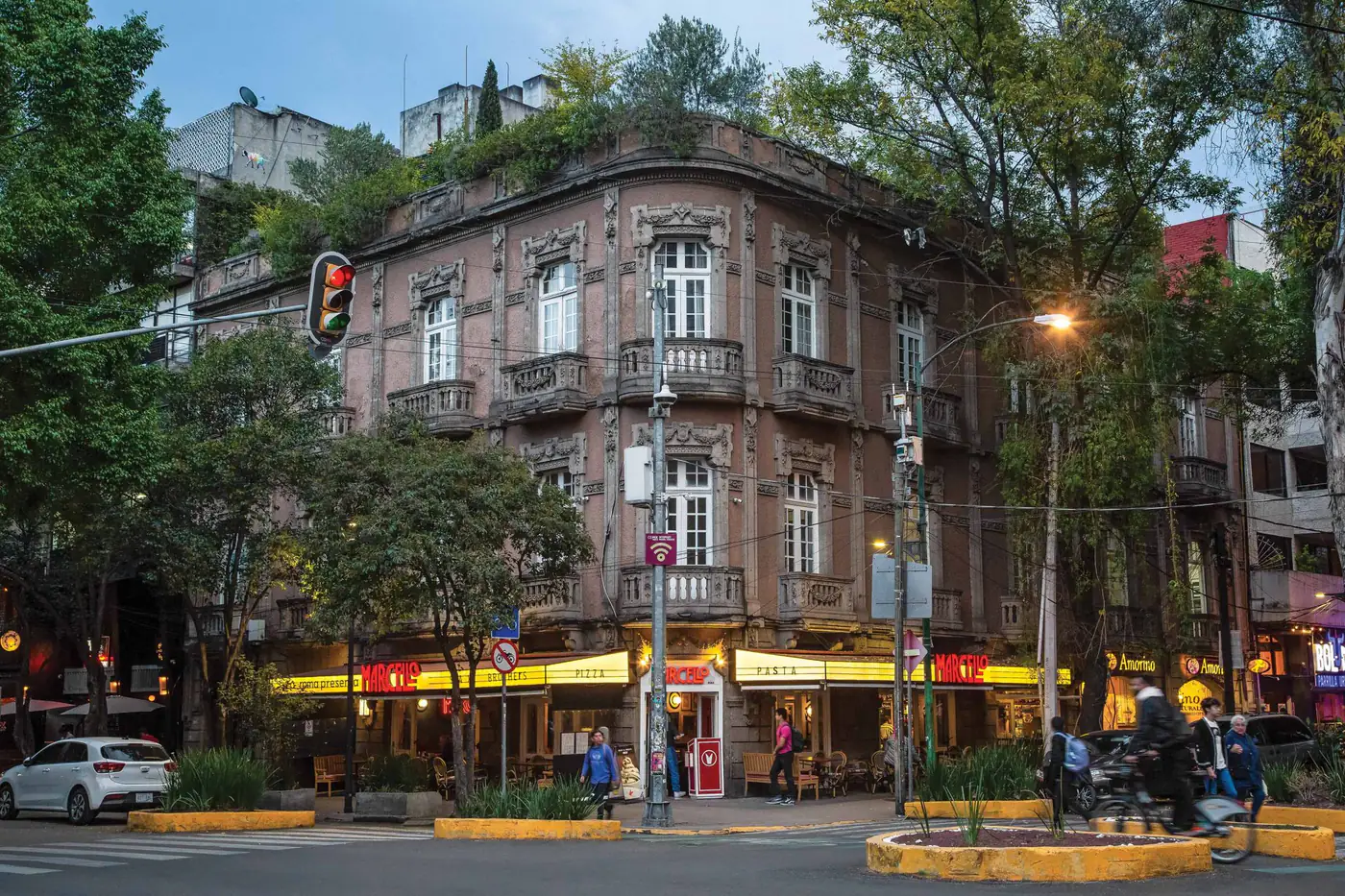
- Hipódromo: the Ámsterdam oval, Parque México and the best-preserved art deco buildings. The quietest and the most expensive.
- Condesa: the Tamaulipas, Michoacán and Vicente Suárez side. Restaurants, bars and nightlife.
- Hipódromo Condesa: toward Juanacatlán and Chapultepec. More residential, with better access to the metro and the park.
The noise is real and it has a map
Tamaulipas, Michoacán and Vicente Suárez are the restaurant strip, and on weekends you hear it until two in the morning. Two streets inward, on Ámsterdam or Sonora, it is a different place.
If you like the apartment, go back on a Saturday night before you sign. Ask too whether the windows face the street or the light well: an interior unit loses light but gains quiet.
You can live without a car
Two metro lines within walking distance, Lines 1 and 9, the Metrobús on Insurgentes, Ecobici docks on almost every corner and a bike lane on Ámsterdam. Polanco is fifteen minutes away by car, downtown twenty by metro, and Roma is just across Insurgentes.
Parking, on the other hand, is scarce and expensive, and many 1930s buildings simply have none. If you own a car, budget between $1,500 and $3,000 MXN a month for a parking space nearby, or filter your search for apartments that include one.
Everyday life: groceries, market and services
Everything day-to-day is inside the neighborhood: supermarkets, dry cleaners, pharmacies, vets, gyms, cinemas and cafés to work from. The neighborhood market is Mercado Michoacán, where Michoacán, Vicente Suárez and Tamaulipas meet: an art deco building from the 1940s and the only public market serving the three colonias that make up Condesa.
For a wider selection, Mercado de Medellín, in Roma Sur, is a ten-minute walk and one of the best-stocked markets in the city. Between the two you can cover the week's fruit, vegetables, meat and fish without setting foot in a supermarket.
The hardest things to find are the big ones: hardware stores, furniture shops and repair workshops are across Insurgentes or in Escandón.
Parks, dogs and weekends
Parque México and Parque España are the neighborhood's backyard. Mornings belong to runners and dog walkers; weekends, to families, dance classes and fairs. Condesa is probably the most dog-friendly neighborhood in the city, and the buildings know it: if you have a pet, ask about the pet policy before you go see a place.
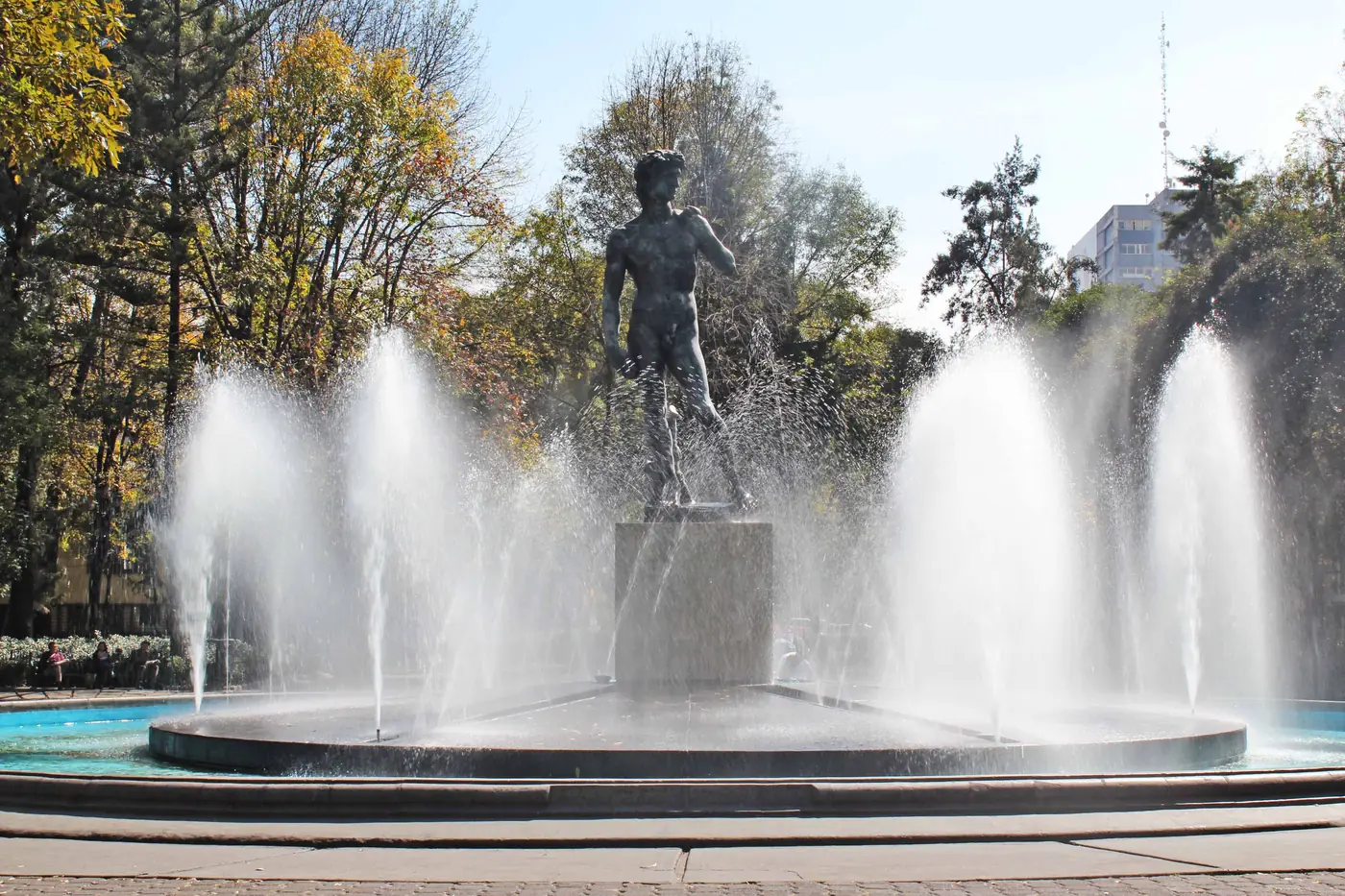
Parque México holds more than you see from the bench: the Foro Lindbergh, an open-air theater with a pergola and a relief by Roberto Montenegro; the Fuente de los Cántaros, an art deco clock tower and a duck pond. Parque España, smaller, is one of the quietest and also has a fenced dog run with water fountains. For more options for your dog, see our guide to dog parks in Mexico City.
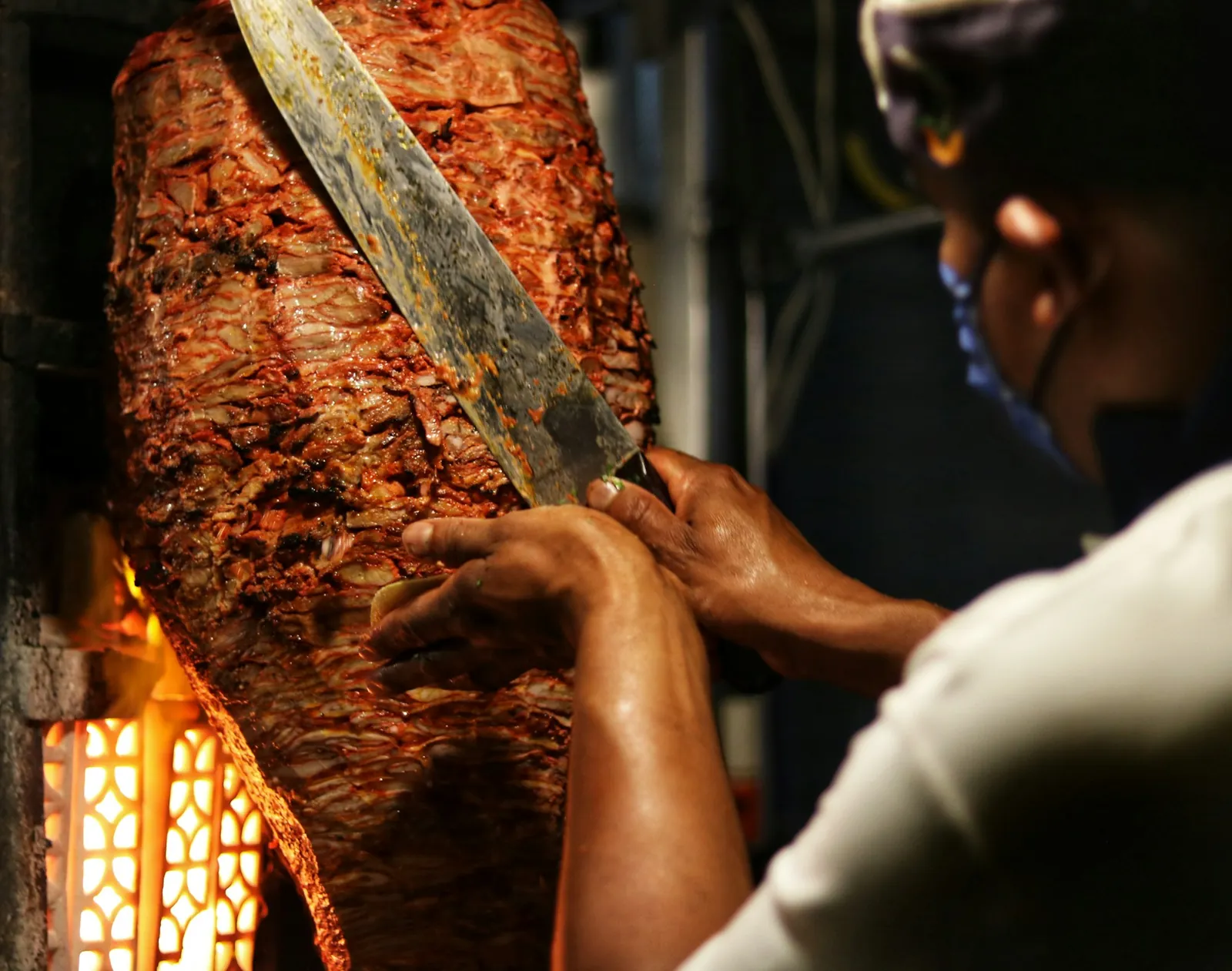
For food, the range runs from the sidewalk taco stand to the destination restaurant. We have a guide to the best taquerías in Condesa.
Buildings and earthquakes
Much of Condesa sits on transition soil and old lakebed, and the neighborhood was damaged in the 1985 and 2017 earthquakes. The 1930s buildings tend to be low and thick-walled, but that does not excuse you from checking.
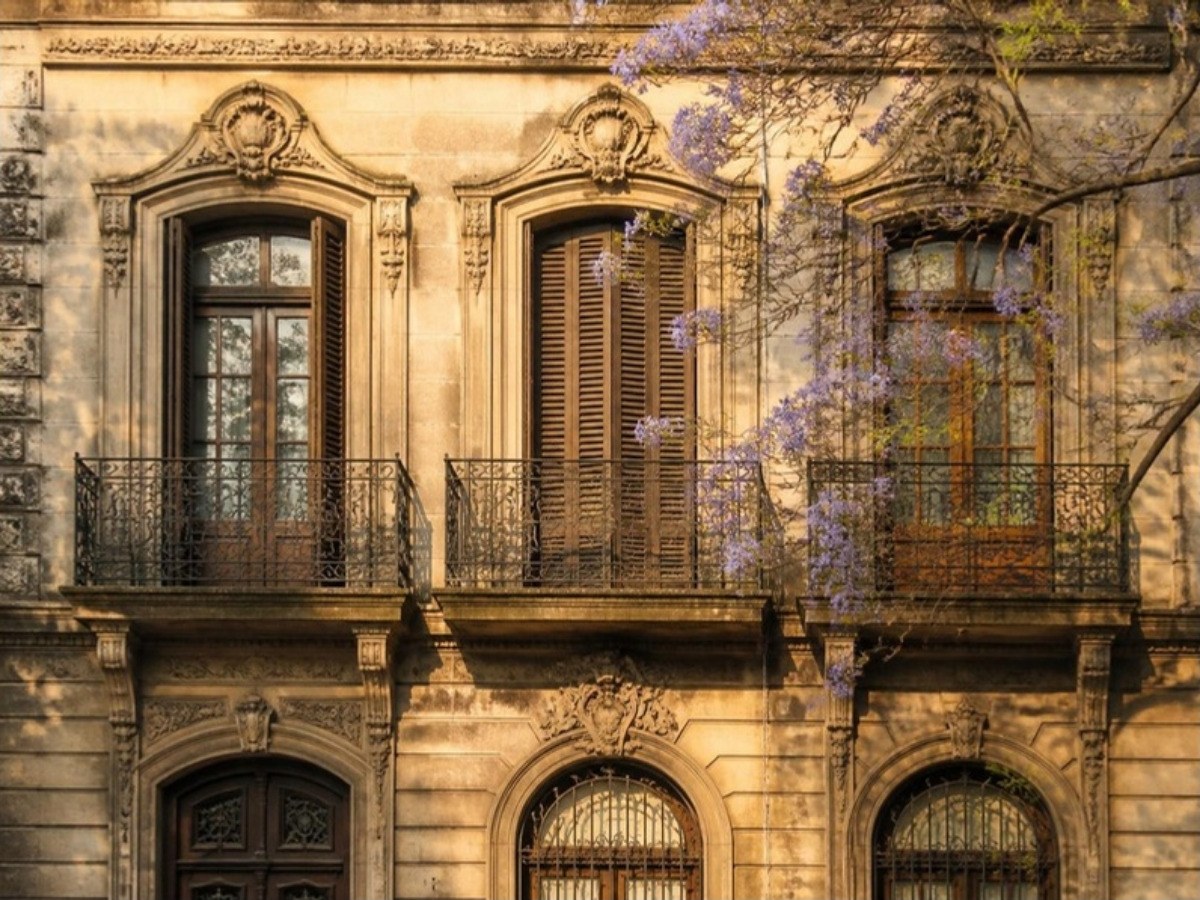
The neighborhood is also an architecture catalog. The best-known example is the Edificio Basurto, at Avenida México 187, half a block from Parque México: fourteen floors of late art deco designed by Francisco J. Serrano and finished in 1945, remarkably tall for its time. Living in a building like that has its charm and its costs: old plumbing and wiring, renovation rules and maintenance fees that are not up for debate.
Before you rent or buy, ask whether the building has a structural safety report, whether it was damaged in 2017 and how it was repaired. When renting it is a question; when buying, an essential document.
How to choose a street and a building
In Condesa, two apartments that look identical on paper can be opposite experiences. Before you decide, check these points on every viewing:
- The street at different hours: go on a weekday morning and on a Friday or Saturday night.
- The orientation: whether the bedrooms face the street, the light well or the inner courtyard.
- The elevator and stairs: many 1930s buildings have none, and a fourth floor feels different carrying groceries from the market.
- How many units in the building are short-term rentals: ask the building manager or the doorman, because it changes the noise and the security of the building.
- Parking: if the building has none, find a nearby lot and its price beforehand.
- The structural report and the building's 2017 damage history, especially if you are buying.
The downsides of living in Condesa
The neighborhood has a reputation for being perfect, and it is not. This is what residents complain about most:
- Price: it is one of the most expensive neighborhoods in the city per square meter.
- Weekend noise in the bar zone.
- Parking, which barely exists.
- Short-term rentals, which change life in some buildings.
- Old buildings without elevators and with systems that need constant maintenance.
- Petty theft of phones and wallets in the busiest areas at night.
What living in Condesa costs
A two-bedroom rents for around $38,000 MXN a month, plus the building fee and utilities. The full breakdown —deposit, legal policy, the move and what people forget— is in what renting in Condesa actually costs.
If you are already looking, start with apartments for rent in Condesa.
Frequently asked questions
What is in Parque México?
The Foro Lindbergh, an open-air theater; the Fuente de los Cántaros, an art deco clock tower, a duck pond and a fenced dog run. Its official name is Parque General San Martín, and it opened in 1927.
Is Condesa a good place to live?
For anyone who wants to live on foot, with parks, shops and transit close by, yes: it is one of the neighborhoods with the best urban quality of life in the city. The downsides are the price, the noise in the bar zone and the lack of parking.
Is Condesa safe?
It is one of the neighborhoods with the best perception of safety in the Cuauhtémoc borough, with people on the street at almost any hour. The most common incidents are petty phone thefts in bar areas at night.
How much does it cost to live in Condesa?
Rent for a two-bedroom runs around $38,000 MXN a month, plus $1,800 to $5,000 MXN for the building fee and between $2,000 and $4,500 MXN for utilities. To buy, the price per square meter averages $71,300 MXN.
Which part of Condesa is quietest?
Hipódromo, especially the Ámsterdam oval and the streets around Parque México, and Hipódromo Condesa toward Juanacatlán. Tamaulipas, Michoacán and Vicente Suárez concentrate the late-night noise.
Can you live in Condesa without a car?
Yes, it is one of the few neighborhoods in the city where that is the norm. There are stations on metro Lines 1 and 9, Metrobús Line 1 on Insurgentes, Ecobici and a bike lane.
What is the difference between Condesa and Roma for living?
Condesa is more residential and green, with two large parks. Roma is bigger, more varied in architecture and price, and Roma Sur is cheaper. The full comparison for buyers is in buying in Condesa or Roma.
Looking for a place around here
Keep reading







We'll tell you about what gets listed around here
If you're looking around here, leave your email and we'll write when something that fits comes in.